Rechercher dans ce blog

Sunday, November 5, 2023

The Ingredient You Need To Add A Nice Kick To Bland Cabbage - Yahoo Life

Cabbage is an integral part of so many dishes -- from cabbage rolls and stir-fries to soups to salads. But it doesn't always have to play the supporting role in a dish, it can also be the star. Cabbage actually makes an excellent side dish or main course all on its own. That is, if you know how to season it right. And it doesn't take a whole spice mix to get there either. One key ingredient can make all the difference in the world: horseradish!

As a creamy sauce or straight-up, horseradish will take any humdrum cabbage and turn it up about a dozen notches. It's the perfect flavor addition whether you're sautéing or roasting the cruciferous veggie. Prefer to braise your cabbage? Horseradish will give those tender, melt-in-your-mouth leaves a spicy punch. Whether you're team green or team purple, you'll be glad you imbued your cabbage with its sharpness -- and you'll probably be wondering why you didn't think of using the pungent brassica earlier.

Read more: 12 Vegetables And Fruits That Used To Look Very Different

Tips For Pairing Horseradish With Cabbage
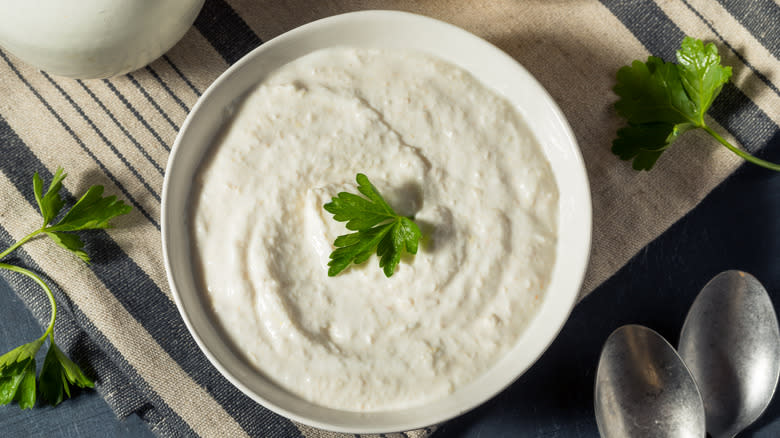
Creamy horseradish in a bowl with garnish
Creamy horseradish in a bowl with garnish - Bhofack2/Getty Images

An easy way to get started is to add the horseradish after you're done cooking the cabbage. This is especially true for roasted or sautéd veggies, as it will keep the spicy seasoning from drying out and sticking. When it comes to braised cabbage, on the other hand, you can add the horseradish directly to the braising liquid in your crock pot or Dutch oven along with everything else.

Store-bought horseradish sauces will work just fine whichever way you choose to prepare your cabbage. You can easily make your own decadent horseradish cream by combining either whipping cream or sour cream with regular prepared horseradish (also known as pickled horseradish). Or go all out and mix up the condiment from fresh, raw horseradish root if you want. Still, there's nothing wrong with keeping this dish simple. You could even grate some of the fresh stuff as a finishing touch over charred or roasted cabbage wedges.

Horseradish is rather strong and its spiciness can be overwhelming if you overdo it. So unless you want to seriously clear out your sinuses, don't use too much of the prepared version (which is made with vinegar) all at once. It's a good idea to add a little bit at a time and give it a taste before adding more.

Horseradish Elevates Cabbage And More

Roasted Brussel sprouts in a black bowl
Roasted Brussel sprouts in a black bowl - Lauripatterson/Getty Images

While it won't take an entire spice cabinet to make delicious cabbage, there are a few more seasonings you'll want to consider. Beyond salt and pepper, a little bit of lemon or white wine won't hurt. And fennel seeds and garlic are both fantastic options that pair with cabbage as well as horseradish. Being a member of the mustard family, horseradish plays well with mustard -- a fact which is embraced by culinary personality Ree Drummond, who uses the combination to flavor her coleslaw.

Fat matters too, so be sure to use a good quality oil or natural butter. You might also try schmaltzing things up by cooking your cabbage in chicken fat in a nod to the New Yorker's Helen Rosner, whose Instagram post of roast chicken resting on a bed of cabbage went viral and inspired riffs across the internet, including from prominent food blog smitten kitchen. A good dose of piquant horseradish will help to cut through all that poultry richness.

Of course, horseradish doesn't just turn the flavor up on cabbage. It goes well with just about any cruciferous vegetable. Bring some of cabbage's relatives along for the spicy ride by tossing kale, Brussels sprouts, and maybe even a head of roasted broccoli or cauliflower in the stuff, too. Honestly, just about any veggie will get a nice kick from horseradish, but for bland cabbage, there may be no better upgrade.

Read the original article on Daily Meal.

Adblock test (Why?)


The Ingredient You Need To Add A Nice Kick To Bland Cabbage - Yahoo Life
Read More

Saturday, November 4, 2023

One-Ingredient Chocolate Mousse Sounds Too Good To Be True (It Is) - Yahoo Life

When it comes to dessert, quick and easy recipes are always appreciated. It's much nicer when you don't have to work hard for a sweet treat. A hub of all sorts of recipe hacks and tricks, social media is a place many people browse for ideas. However, social media can be a double-edged sword. Sometimes, even recipe posts are all about clicks, likes, and views, so you should take what you read with a grain of salt. Some recipes and hacks don't always work as promised.

A chocolate mousse recipe that went viral on Instagram claims to be a one-ingredient chocolate mousse. If this sounds too good to be true, you're right. The one ingredient they are referring to is (you guessed it) chocolate. However, by itself, chocolate alone won't cut it to make mousse. The sneaky but necessary second ingredient for this "one-ingredient" chocolate mousse is water. Mixing chocolate chips and water in a blender until the chocolate has completely dissolved results in a mixture that sets in the fridge to a mousse-like texture. Water is essential for the creator's recipe to work, so it should count as an ingredient.

Read more: 13 Store-Bought Ice Cream Bars Ranked From Worst To Best

Two Or Three Ingredients Work Better

melting chocolate in a bowl
melting chocolate in a bowl - RF97/Shutterstock

Commenters expressed their doubts about this "one-ingredient" chocolate mousse. One user explained how they "feel like water is going to make the taste too watery," and others who tried it confirmed that it did not solidify fully at the bottom. Even if the one-ingredient chocolate mousse is too good to be true, that doesn't mean that a two or three-ingredient chocolate mousse isn't possible. Instead of water, upgrade the second ingredient by using heavy whipping cream. When whipped and combined with melted chocolate, you not only get an airy mousse but one with an extra element of creaminess that water can't provide. A third ingredient, if you choose to add it, could be sugar or a pinch of salt.

Using a blender to make chocolate mousse is very easy but cuts corners on traditional methods. Blending chocolate with water does result in a very frothy liquid that partially maintains its airiness as it sets in the fridge, but there are better ways to get fluffy results. A French chocolate mousse generally uses either egg whites or whipping cream for aeration. When whipped, either of these ingredients gives chocolate mousse its signature light and airy texture.

Read the original article on Mashed.

Adblock test (Why?)


One-Ingredient Chocolate Mousse Sounds Too Good To Be True (It Is) - Yahoo Life
Read More

Thicken Up Any Fall Soup With One Canned Ingredient Hack - Daily Meal

As well as being full of fall flavor, canned pumpkin provides plenty of nutritional benefits to a dish. Antioxidants, vitamin A, vitamin C, iron, and a medley of other nutrients are present in every naturally fat-free pumpkin, adding a generous helping of nutrition to its wholesome flavor.

One way to easily infuse this nutrient-packed vegetable into your soups is to substitute it in recipes that call for cream or half-and-half, either completely or partially replacing the dairy in the recipe with canned pumpkin. It can thicken up a creamy roasted tomato soup, for example, or provide extra smoothness to a hamburger soup without the heavy dairy. Pumpkin can also be used to thicken broth-based soups like chicken noodle or chicken tortilla, packing in those extra nutritional benefits along the way. Just keep in mind that pumpkin does have a flavor of its own, so it can affect the taste of your dish. Add the pumpkin slowly and taste regularly to ensure your soup turns out just the way you like it.

Adblock test (Why?)


Thicken Up Any Fall Soup With One Canned Ingredient Hack - Daily Meal
Read More

Slashing One Ingredient Would Save Countless Lives, Scientists Say - ScienceAlert

Each year, more than 2,500 Australians die from diseases linked to eating too much salt.

We shouldn't be putting up with so much unnecessary illness, mainly from heart disease and strokes, and so many deaths.

As a new Grattan Institute report shows, there are practical steps the federal government can take to save lives, reduce health spending and help the economy.

We eat too much salt, with deadly consequences

Eating too much salt is bad for your health. It raises blood pressure, which increases the risk of heart disease and stroke.

About one in three Australians has high blood pressure, and eating too much salt is the biggest individual contributor.

Unfortunately, the average Australian eats far too much salt – almost double the recommended daily maximum of 5 grams, equivalent to a teaspoon.

Australian governments know excessive salt intake is a big problem. That's why in 2021 they set a target to reduce salt intake by at least 30% by 2030.

It's an ambitious and worthy goal. But we're still eating too much salt and we don't have the policies to change that.

Most of the salt we eat is added to food during manufacturing

Most of the salt Australians eat doesn't come from the shaker on the table. About three-quarters of it is added to food during manufacturing.

This salt is hidden in everyday staples such as bread, cheese and processed meats. Common foods such as ready-to-eat pasta meals or a ham sandwich can have up to half our total recommended salt intake.

Salt limits are the best way to cut salt intake

Reducing the amount of salt added to food during manufacturing is the most effective way to reduce intake.

Salt limits can help us do that. They work by setting limits on how much salt can be added to different kinds of food, such as bread or biscuits. To meet these limits, companies need to change the recipes of their products, reducing the amount of salt.

Under salt limits, the United Kingdom reduced salt intake by 20% in about a decade. South Africa is making even faster gains. Salt limits are cheap and easy to implement, and can get results quickly.

Most consumers won't notice a change at the checkout. Companies will need to update their recipes, but even if all the costs of updating recipes were passed on to shoppers, we calculate that at most it would cost about 10 cents each week for the average household.

Nor will consumers notice much of a change at the dinner table. Most people don't notice when some salt is removed from common foods. There are many ways companies can make foods taste just as salty without adding as much salt.

For example, they can make salt crystals finer, or use potassium-enriched salt, which swaps some of the harmful sodium in salt for potassium. And because the change will be gradual, our tastebuds will adapt to less salty foods over time.

Australia's salt limits are failing

Australia has had voluntary salt limits since 2009, but they are badly designed, poorly implemented, and have reduced population salt intake by just 0.3%.

Because Australia's limits are voluntary, many food companies have chosen not to participate in the scheme. Our analysis shows that 73% of eligible food products are not participating, and only 4% have reduced their salt content.

Action could save lives

Modelling from the University of Melbourne shows that fixing our failed salt limits could add 36,000 extra healthy years of life, across the population, over the next 20 years.

This would delay more than 300 deaths each year and reduce health-care spending by A$35 million annually, the equivalent of 6,000 hospital visits.

International experience shows the costs of implementing such salt limits would be very low and far outweighed by the benefits.

How to fix our failed salt limits

To achieve these gains, the federal government should start by enforcing the limits we already have, by making compliance mandatory. Fifteen countries have mandatory salt limits, and 14 are planning to introduce them.

The number of foods covered by salt limits in Australia should more than double, to be as broad as those the UK set in 2014. Broader targets would include common foods for which Australia does not currently set targets, such as baked beans, butter, margarine and canned vegetables.

A loophole in the current scheme that lets companies leave out a fifth of their products should be closed. The federal government should design the policy, rather than doing it jointly with industry representatives.

Over the coming decades, Australia will need many new and improved policies to reduce diet-related disease. Reducing salt intake must be part of this agenda. For too long, Australia has let the food industry set the standard, with almost no progress against a major threat to our health.

Getting serious about salt would save lives, and it would more than pay for itself through reduced health-care costs and increased economic activity.The Conversation

Peter Breadon, Program Director, Health and Aged Care, Grattan Institute and Lachlan Fox, Associate, Grattan Institute

This article is republished from The Conversation under a Creative Commons license. Read the original article.

Adblock test (Why?)


Slashing One Ingredient Would Save Countless Lives, Scientists Say - ScienceAlert
Read More

10+ Festive Diabetes-Friendly 5-Ingredient Appetizer Recipes - EatingWell

While the turkey and mashed potatoes tend to get all the attention, appetizers are an important part of the Thanksgiving festivities! These tasty, diabetes-friendly appetizers will help you celebrate deliciously, while keeping your blood sugar in check. All the recipes are lower in carbohydrates and saturated fat and use sodium-conscious ingredients to meet our parameters for a diabetes-appropriate eating pattern. Plus, they feature nutrient-rich foods like avocados, pears and mushrooms, which can help decrease the inflammation associated with diabetes. With five ingredients or less (not counting pantry staples like salt, pepper and cooking oil), recipes like our Crispy Smashed Balsamic-Parmesan Mushrooms and Light & Airy Whipped Cottage Cheese are easy to make, packed with flavor and perfect for any festive occasion.

3-Ingredient Blue Cheese & Fig Bites

Store-bought pie crust is key to making these easy, savory tarts. Simply cut circles from the dough, press into the cups of a mini muffin tin and bake. Here we fill them with blue cheese and fig jam, but you can use whatever suits your fancy and your nutritional needs.

Rosemary-Goat Cheese Toast

Top crispy baguette with tangy goat cheese, fragrant rosemary and a drizzle of honey for a crowd-pleasing appetizer. This recipe only makes one toast, so think of it as a formula to prepare as many as you’d like. Pro tip: If you’re cooking for a crowd, toast multiple slices of bread on a baking sheet in the oven for easy batch preparation.

Avocado & Salsa Cracker

If you need something you can throw together in a pinch, it doesn’t get easier than this. Simply top your favorite whole-grain crackers or crispbreads with avocado and tomato salsa, both of which have anti-inflammatory properties.

Roasted Pears with Prosciutto

Delicious apps don’t have to be complicated. Here we wrap slices of pear in prosciutto and drizzle them with balsamic for a mouthwatering pre-dinner bite. Plus, pears are high in fiber and are low on the low glycemic index, making them one of the best fruits to enjoy to keep your blood sugar steady. 

Toasted Paprika Chickpeas

Chickpeas just need some time in a hot oven to get them nice and crunchy for a protein- and fiber-rich alternative to nuts. Anti-inflammatory spices like paprika and garlic give them a boost of flavor, but feel free to use your favorite seasonings.

Pesto Stuffed Mushrooms

Pesto, breadcrumbs and mushrooms are the only three ingredients you need to make this elegant hors d’oeuvre. Plus, these are lower in saturated fat than sausage-stuffed mushrooms. You can easily tweak them to satisfy any food allergies and preferences too—gluten-free breadcrumbs and dairy-free pesto work just as well.

Pimiento Cheese-Stuffed Mini Bell Peppers

Ted & Chelsea Cavanaugh

Stuffing sweet mini bell peppers with pimiento cheese makes for an easy, satisfying appetizer that can be whipped up in 5 minutes flat. Added bonus: The antioxidants in bell peppers can help decrease inflammation and improve how your body metabolizes sugar.

Light & Airy Whipped Cottage Cheese

PHOTOGRAPHER: RACHEL MAREK, FOOD STYLIST: ANNIE PROBST

Dig into this whipped cottage cheese dip! It’s rich in satisfying protein, which can help stabilize your blood sugar before the big feast, so you’re not ravenous when it’s time to eat. Pair it with tasty veggies and whole-grain crackers for some extra fiber, too.

Spicy Olives

Tossing olives with orange zest, herbs and spices is simple but feels fancy. They’re a great addition to any appetizer spread! Folks with diabetes are at higher risk of developing heart-related conditions, and the healthy fats found in olives help protect your heart—which is just another reason to make this simple app.

Loaded Zucchini Bites

Brie Passano

Think loaded potatoes, but make it zucchini! These easy-to-make bites are packed with all of the flavors of your favorite side dish, but with fewer carbs, to keep your blood sugar stable until it’s time for dinner.

Air-Fryer Bacon-Wrapped Scallops

Jacob Fox

Not only are these bacon-wrapped scallops easy to make, but each serving boasts 5 grams of filling protein. We use a half-piece of bacon to wrap each scallop to keep the saturated fat in check, and a drizzle of maple syrup makes them feel extra special without overdoing it on added sugar.

Deviled Eggs with Crabmeat

Shanna Jones

These aren’t your run-of-the-mill deviled eggs! The yolks are seasoned with a Creole-inspired mix of citrus and spice for oomph. A little crabmeat stirred into the filling adds an extra boost of protein and flavor. The only problem you’ll have is keeping them from disappearing from the table too quickly.

Cauliflower Chips

Caitlin Bensel

These cauliflower chips are nice and crispy, whether you make them in the oven or in your air fryer. Top them with diced fresh tomatoes or serve them with marinara sauce for dipping. Try swapping the Italian seasoning with curry powder for a different flavor profile with anti-inflammatory benefits.

Lemon-Garlic Shrimp Skewers

These tangy lemon-garlic shrimp skewers are easy to pick up and hold while catching up with friends and family. Plus, they’re perfect on their own for a high-protein appetizer—no crackers or crudités needed.

Roasted Garlic Hummus

Casey Barber

Roasting two heads of garlic may seem like a lot, but its taste mellows for some of the most delicious hummus you’ve ever had. Serve with plenty of crunchy veggies for a high-fiber appetizer or snack. 

Adblock test (Why?)


10+ Festive Diabetes-Friendly 5-Ingredient Appetizer Recipes - EatingWell
Read More

Friday, November 3, 2023

FDA proposes banning ingredient found in some citrus-flavored sodas - CBS News

The U.S. Food and Drug Administration is proposing a ban on brominated vegetable oil (BVO) after studies on animals determined the ingredient may have adverse health effects in humans.

Recent toxicology studies offered conclusive evidence to support the FDA's proposed ban of the ingredient previously authorized by the FDA for use in small amounts to keep citrus flavoring from separating and floating to the top of some beverages, the agency stated Thursday in a news release

Since the FDA determined in 1970 that BVO was no longer generally recognized as safe, beverage makers have been replacing the ingredient with alternatives. "Today, few beverages in the U.S. contain BVO," the agency stated. 

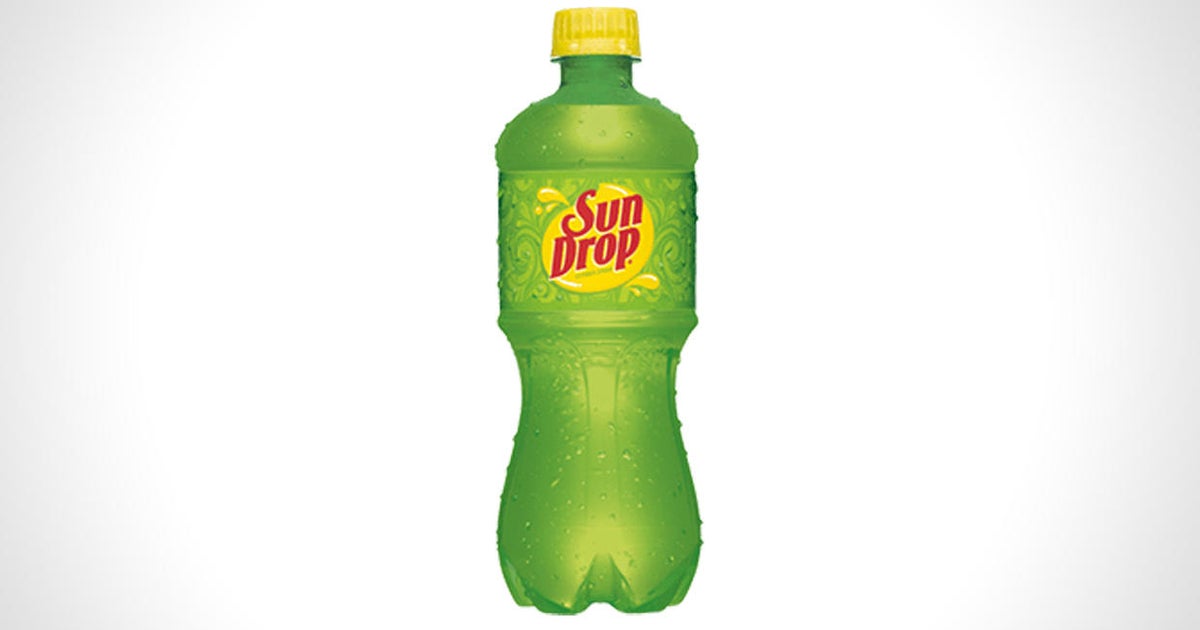
Still, the agency's proposal could impact a number of sports drinks and sodas containing a mix of lemon, lime and orange flavors, including Sun Drop soda, made by Keurig Dr Pepper.

"We have been actively reformulating Sun Drop to no longer include this ingredient and will remain compliant with all state and national regulations," a spokesperson for Keurig told CBS MoneyWatch in an email.

California bans four food additives 00:26

The FDA's decision drew praise from advocates including Consumer Reports.

"Toxic additives like BVO that have been shown to pose toxic risks to the thyroid and other chronic health problems should not be allowed in our food," Brian Ronholm, director of food policy at Consumer Reports said in a statement. "We're encouraged that the FDA has re-examined recent studies documenting the health risks posed by BVO and is taking action to prohibit its use."

The substance that helps blend liquids is used in about 70 sodas and beverages, most of them vibrantly colored and citrus-flavored, according to Consumer Reports, citing a database maintained by the Environmental Working Group (EWG).

BVO was among four food additives banned by California in October.

Adblock test (Why?)


FDA proposes banning ingredient found in some citrus-flavored sodas - CBS News
Read More

FDA may ban an ingredient in citrus sodas. What to know about brominated vegetable oil. - The Washington Post

The Food and Drug Administration has proposed banning brominated vegetable oil, an ingredient found in fruity and citrus-flavored sodas, including Sun Drop and some store brands, over concerns of toxic effects shown in animal studies.

The facts:

  • The agency’s decision could affect Sun Drop as well as store-brand orange, pineapple and citrus-flavored soda from Giant, Food Lion, Walmart and others.
  • Animal studies show “clear adverse effects” from the ingredient, the FDA said. Research has found that the ingredient is potentially harmful to the thyroid, liver and heart and could cause neurological problems.
  • The additive is used to keep fruit flavors from separating in drinks and floating to the top. The FDA said many companies have already reformulated their beverages to replace brominated vegetable oil with other ingredients.
  • Consumers can read the ingredient label to determine if a soda or other product contains brominated oil.

Background:

Brominated vegetable oil, or BVO, is a vegetable oil that has been modified with bromine, a natural element that can be used as an alternative to chlorine in swimming pools and historically was used as a sedative. It has been used in food since the 1920s, according to the FDA.

The FDA said it conducted studies that “clearly show adverse health effects” in animals in levels “closely approximating real-world exposure.” In studying the ingredient, the FDA looked at potential toxic effects on rodents. Test animals fed foods with BVO were found to have accumulated bromine in body tissue. Research also found that BVO had toxic effects on the thyroid — a gland that produces hormones that help regulate blood pressure, body temperature, heart rate and metabolism.

“Animal and human data, including new information from recent FDA-led studies on BVO, no longer provide a basis to conclude the use of BVO in food is safe,” the agency said.

California banned brominated vegetable oil in food in October, along with three other food additives, becoming the first U.S. state to do so. BVO is also banned in the European Union and Japan.

One 2008 study reported on a man who consumed two to four liters of BVO-containing soda daily and developed fatigue, muscle control problems, memory loss and neurological issues, leading to a diagnosis of bromism, a rare condition caused by chronic exposure to bromine, which in this case was caused by excessive consumption of the soda.

In 2003, doctors in Ohio treated a man with swollen hands and oozing sores. They diagnosed a rare case of the skin condition bromoderma after blood tests revealed that his bromine was about twice normal limits. The man admitted drinking about eight liters daily of a red fruity soda that contained BVO.

What people are saying about this:

Keurig Dr Pepper, the maker of Sun Drop soda, which has a mixture of lemon, lime and sweet orange flavors, said it was already planning to phase out the ingredient. “We have been actively reformulating Sun Drop to no longer include this ingredient and will remain compliant with all state and national regulations,” a spokesperson said in an email.

Other citrus-flavored store-brand sodas, with names like Mountain Lighting from Walmart and Mountain Lion from Food Lion, have brominated vegetable oil listed in the ingredients.

The popular drink Mountain Dew does not contain BVO. PepsiCo stopped using brominated vegetable oil in any of its beverages in 2019, a spokesperson for the company said in an email.

Marion Nestle, an emeritus professor of nutrition, food studies and public health at NYU, said the agency’s proposed ban should have happened “a long time ago.”

“Why take a risk? These things are not necessary,” said Nestle, the author of “Soda Politics,” a book that examines the soda industry. “Let food companies figure out healthier ways to make the food they sell.”

Joanne Slavin, a professor of food science and nutrition at the University of Minnesota who also serves on the scientific advisory board for Olipop, a prebiotic soda company, said she believes that the FDA is making the right call based on the results of the animal study.

While parents should check labels and avoid the ingredient, she also said parents who discover that their kids have been drinking beverages containing BVO shouldn’t worry. This is a responsible decision by the FDA, but the amounts in a beverage “are so tiny,” she said. “Don’t worry about this one, even if your kid had orange pop every time they went to the store.”

Adblock test (Why?)


FDA may ban an ingredient in citrus sodas. What to know about brominated vegetable oil. - The Washington Post
Read More

In Jamie Oliver's newest cookbook, you don't need many ingredients to make a delicious meal - WBUR News

You don’t need a ton of obscure ingredients to cook up a delicious meal. That’s the crux of chef and restauranteur Jamie Oliver ’s new cook...